About Elementary School Fundraising
Elementary school fundraisers are organized activities that bring students, parents, teachers, and the community together to raise money for school programs, supplies, and enrichment. This guide delivers practical, high-participation ideas, step-by-step planning templates, revenue comparisons, and volunteer-role breakdowns so PTO, PTA and school leaders can choose fundraisers that match capacity and goals.
Quick Facts
- Walk-a-thons raise $2,000-$20,000+ per event
- Plan the date and permissions at least two weeks ahead
- High-revenue formats combine broad participation with sponsorship
What Are the Easiest Elementary School Fundraisers to Organize?
An "easy" elementary school fundraiser minimizes setup time, requires few specialized supplies, and maximizes student and parent participation; these low-friction events work because they leverage routine school activities and existing volunteer capacity. The mechanism that makes easy fundraisers effective is simplicity: clear communication, a single-day or short-window format, and straightforward payment collection reduce barriers and improve turnout.
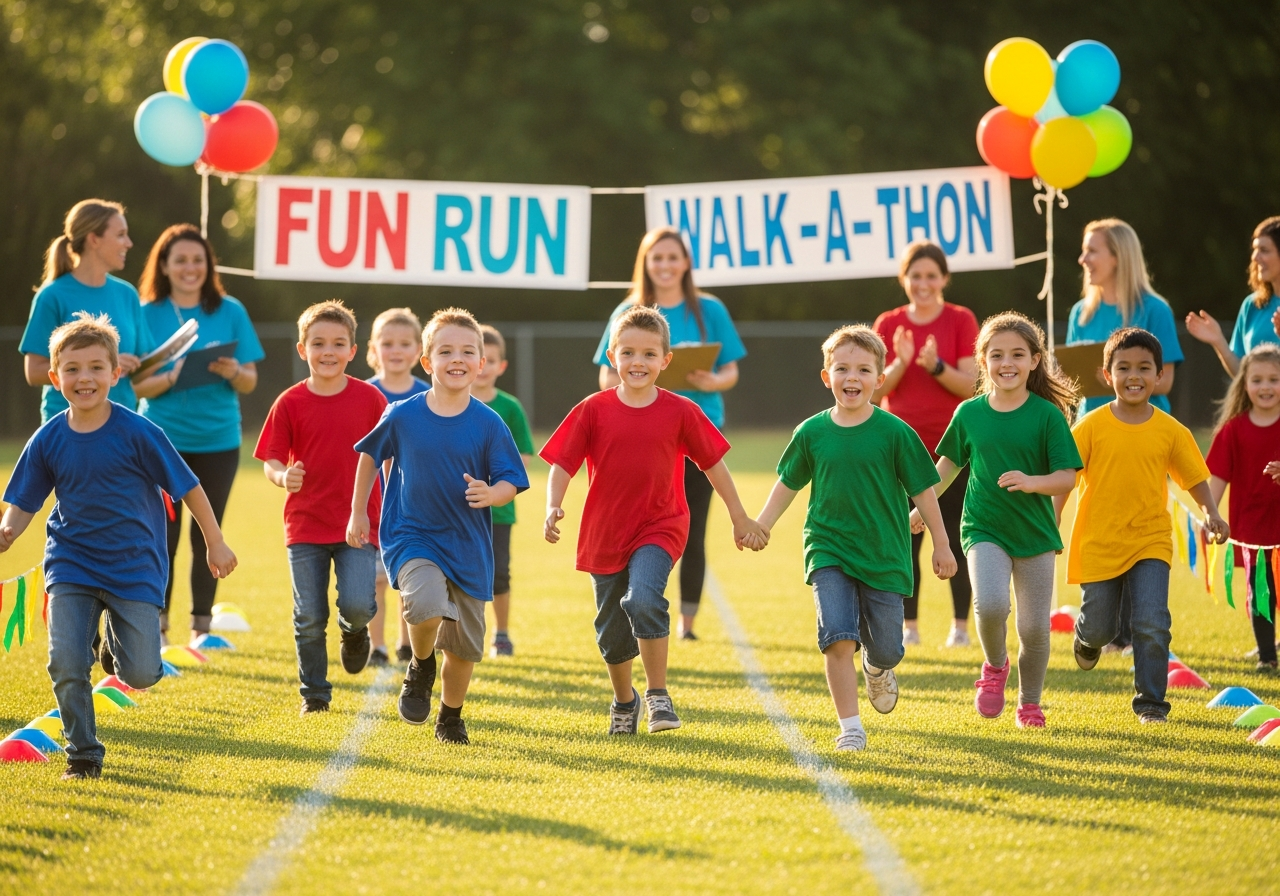
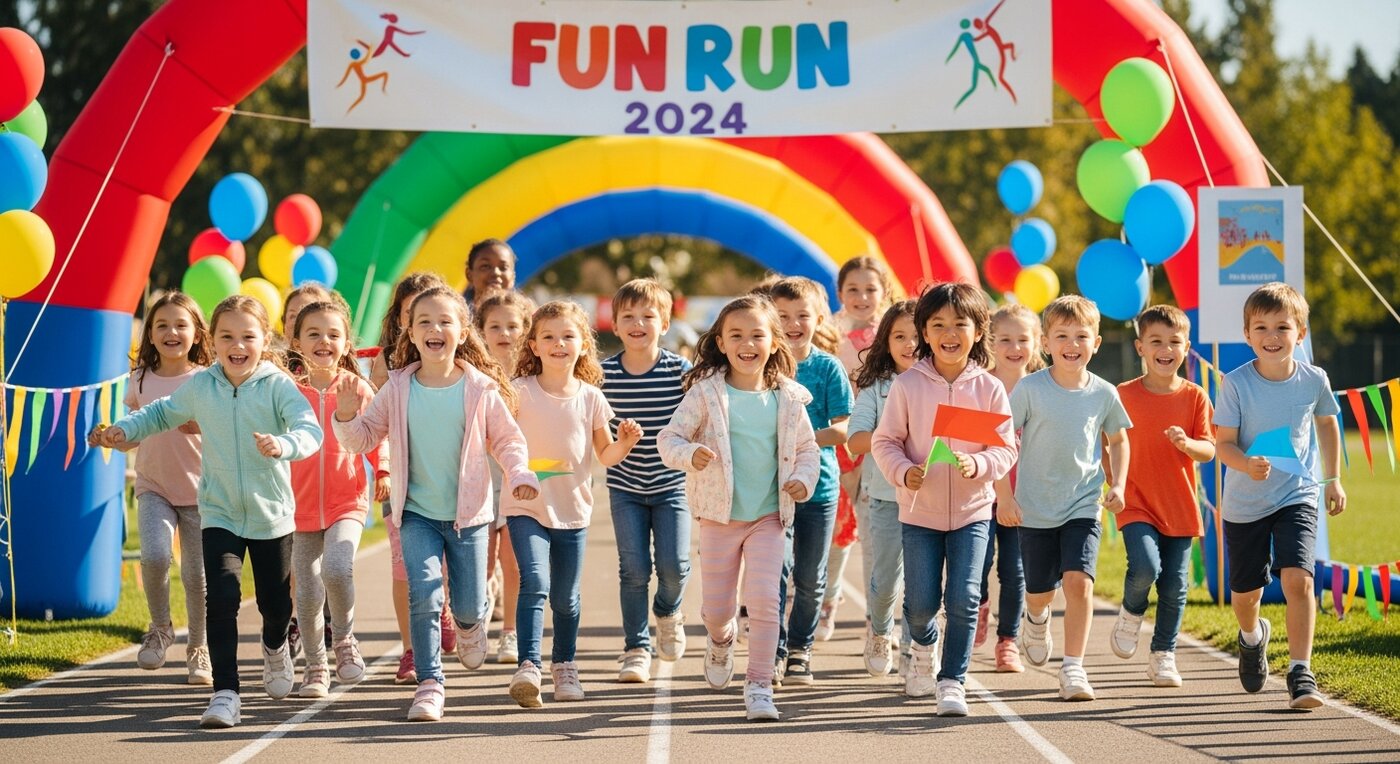
Walk-a-thon / Fun Run
Sponsorships + per-participant pledges create multiple revenue streams and high family involvement.
Product Sales
Cookie dough, popcorn, and spirit wear with wholesale margins and pre-orders.
Creative Events
Memorable experiences that families want to attend boost participation.
Virtual Fundraisers
Extend reach beyond the immediate school community with digital participation.
Which Elementary School Fundraisers Are the Most Successful?
Revenue potential for school fundraisers is measured by net revenue after expenses, margin percentage, and participation multiplier—how many families engage and how much they give per participant. High-revenue formats typically combine broad participation with sponsorship or scalable product margins, which increases gross revenue while keeping per-unit costs low.
Revenue Comparison
| Fundraiser Type | Profitability Driver | Typical Net Result / Notes |
|---|---|---|
Walk-a-thon / Fun run | Sponsorships + per-participant pledges | $2,000–$20,000 with corporate sponsors and high turnout |
Product sales (cookie dough/popcorn) | Wholesale margins, pre-orders | $800–$15,000 depending on margin and participation |
This table clarifies that events blending sponsorships and participant pledges often outperform single-day low-cost events, which is useful when choosing between ideas and allocating volunteer resources.
What Makes Walk-a-thons Effective for Elementary Schools?
Walk-a-thons succeed because they combine physical activity, community sponsorship, and peer-to-peer pledging, which together create multiple revenue streams and high family involvement. Effective walk-a-thons depend on a safe route, clear sponsorship levels, volunteer marshals, and streamlined pledge collection.
Safe Routes
Clear paths & volunteer marshals
Sponsor Packets
Tiered benefits & logo placement
Fun Incentives
Class trophies & music
Pledge Collection
Paper or digital platforms

What Are Creative and Unique Fundraising Ideas for Elementary Schools?
Creative fundraisers boost participation by offering memorable experiences that families want to attend; novelty drives attendance, and educational twists can make events more appealing to teachers and administrators. The mechanism behind creative fundraisers is experiential value—parents and students pay for an event that provides entertainment, learning, or convenience alongside the fundraising ask.
How Can Elementary Schools Run Virtual Fundraisers Successfully?
Virtual fundraisers extend reach beyond the immediate school community by allowing remote participation, peer-to-peer sharing, and digital payment flows; their effectiveness rests on seamless technology, compelling digital content, and clear communication. The mechanism driving virtual success is frictionless participation: simple registration, secure payment processing, and easy ways to share and track progress.
Platform Selection
Choose platforms that support ticketing, streaming, and donation widgets
Clear Registration
Offer step-by-step registration and a help contact for families
Social Sharing
Use short, shareable videos and social assets to boost outreach
Recognition
Provide acknowledgement and digital badges to donors and participants
Hybrid Tactics
Adopting hybrid tactics—combining in-person and virtual elements—can increase both revenue and inclusivity for families who cannot attend physically. These practices reduce technological friction and increase conversion rates for remote fundraising efforts.
What Product Fundraisers Work Best for Elementary Schools?
Product fundraisers rely on selling tangible items—snack kits, cookie dough, spirit wear, and cards—and perform best when margins are strong, pre-ordering reduces inventory risk, and distribution is straightforward. The mechanism for product success is predictable ordering: pre-orders secure sales before purchases are produced, and bulk supplier pricing lifts margins.
Product Comparison
| Product Type | Setup Effort | Value / Margin |
|---|---|---|
| Popcorn | Low | 40–60% margin; shelf-stable, simple distribution |
| Cookie dough | Medium | 35–55% margin; refrigerated logistics for delivery |
| Spirit wear | Medium | 30–50% margin; pre-order sizing reduces returns |
How to Organize Popcorn and Cookie Dough Sales Effectively?
Successful product sales start with selecting a reliable vendor, setting an order timeline, and using pre-orders to lock in quantities so inventory and distribution are predictable. Create an ordering schedule that includes vendor lead time, school packing day, and a clear pickup or delivery plan to avoid bottlenecks.
Vendor & Ordering
- Select a reliable vendor with good track record
- Set clear order timeline with deadlines
- Use pre-orders to lock in quantities
- Include vendor lead time in schedule
Distribution & Communication
- Assign distribution team with labeled boxes
- Stagger pickup times to reduce congestion
- Send reminders before order deadlines
- Offer add-on bundles to increase order value
How Can Parents, Teachers, and the Community Support Elementary School Fundraisers?
Parents, teachers, and community partners support fundraisers by filling essential volunteer roles, providing in-kind donations, and amplifying outreach; the mechanism of support is role specialization, which turns goodwill into measurable operational capacity. Clearly defined volunteer roles and a recruitment plan increase retention and ensure events run safely and efficiently.
Event Lead
Overall coordination
Treasurer
Funds & reconciliation
Comms Lead
Promotion & reminders
Booth Leads
Station management
Safety Coord
First aid & supervision
Volunteer Role Breakdown
| Volunteer Role | Key Responsibilities | Time Estimate / Number |
|---|---|---|
| Event Lead | Oversees planning, budget, and permits | 10–20 hours (1 lead) |
| Treasurer | Manages funds, floats, reconciliation | 4–8 hours (1–2 people) |
| Communications Lead | Promotes event, sends reminders | 5–10 hours (1–2 people) |
| Booth/Activity Leads | Run individual stations or sales | 3–6 hours each (4–10 people) |
| Safety Coordinator | Handles first aid, traffic, supervision | 4–6 hours (1–2 people) |
How Does Community Involvement Boost Fundraising Success?
Community involvement brings sponsorship dollars, in-kind donations, publicity, and volunteer resources that multiply a fundraiser's reach and revenue, and local businesses often benefit from visibility and goodwill in return. To engage partners, craft a short sponsor packet listing tiered benefits—banner placement, social shout-outs, or booth space—and explain how funds support school programs.
Sponsor Engagement
Craft short sponsor packets with tiered benefits—logo placement, social shout-outs, or booth space—and highlight mutual benefits to increase response rates.
In-Kind Support
In-kind donations such as prizes, refreshments, or printing services reduce expenses and improve net proceeds, while local media can amplify promotional efforts.
Strong community ties create sustainable fundraising ecosystems where schools, families, and local businesses collaborate to support educational goals. Tracking the impact of community partnerships through sponsor recognition and post-event reporting encourages year-over-year support.