Bowling fundraisers are an easy, family-friendly option for schools and community groups that want to raise money while giving people a fun, low-barrier way to join in. This guide walks organizers through choosing the best event format, building a realistic budget, recruiting sponsors and volunteers, and promoting the night to students, parents, and the wider community.
What Are the Best Bowling Fundraiser Ideas for Schools and Charities?
Having a short list of formats makes it easier to pick the bowling fundraiser that matches the group's goals, audience size, and revenue targets. Common options include bowl-a-thons, themed nights, family nights, and bracket-style tournaments — each one suits different audiences and objectives.
Bowl-a-thon
Generates pledges per frame or per game so revenue grows with participation.
Themed Night (cosmic, decades, costume)
Uses novelty and social media buzz to drive ticket sales.
Family Bowling Night
Low barrier to entry — great for broad parent and student attendance.
Tournament (bracket-style)
Appeals to competitive bowlers and sponsors with higher entry fees.
Raffle and silent auctions
High-margin extras that raise per-person revenue without extra staff.
Match the format to audience and volunteer capacity to set the right tone for planning, promotion, and results.
Which Bowling Themes and Formats Engage Participants Most?
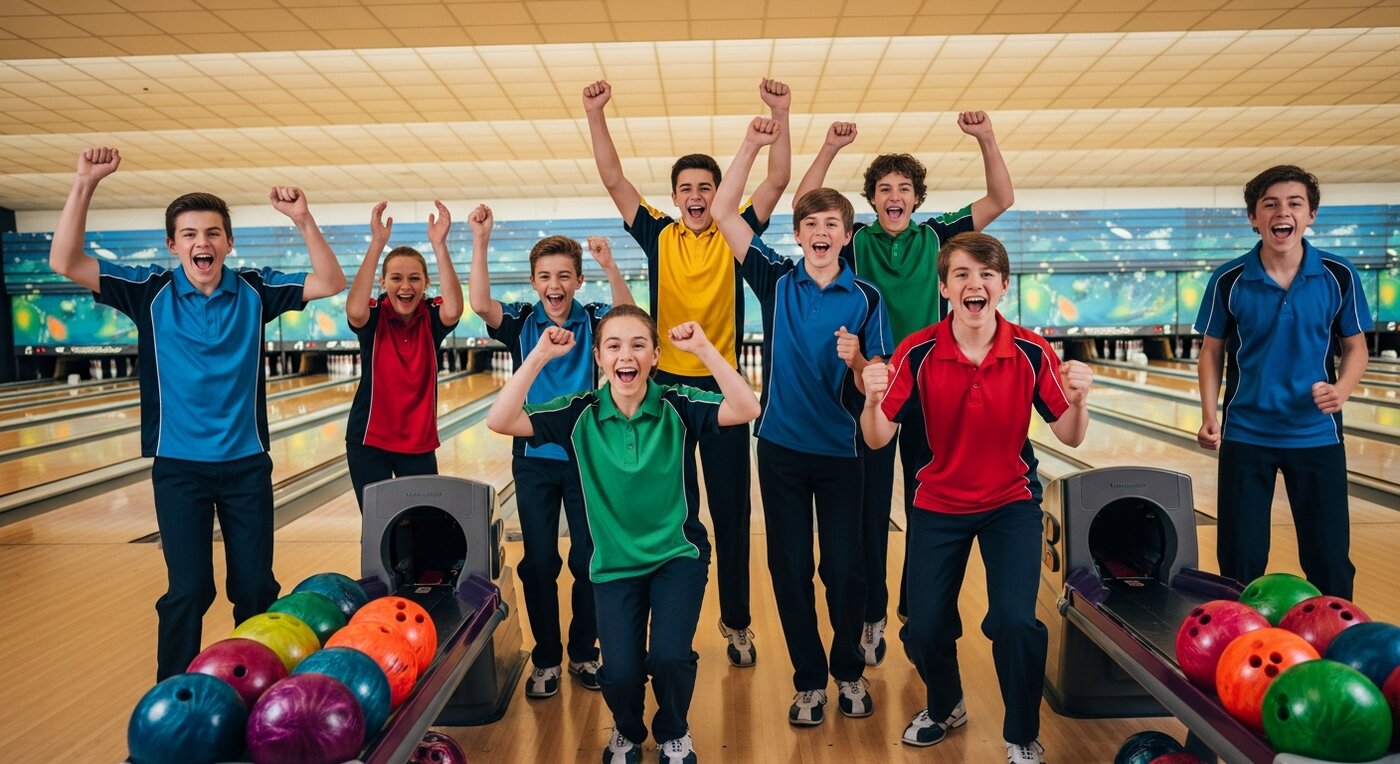
Winning themes blend novelty with simple participation: glow or cosmic bowling pulls families and teens, decades or costume nights boost ticket sales because people love dressing up, and bowl-a-thons drive peer-to-peer pledges for broad community support.
Themes make promotion easier — visuals and social posts land better when people can picture the night. Check logistics like music and lighting needs, lane reservations, and whether the alley allows themed decor.
Prizes and tiered incentives turn casual interest into committed sign-ups by recognizing fundraising milestones, top teams, and active participants.
How to Plan a Bowling Fundraiser Step-by-Step
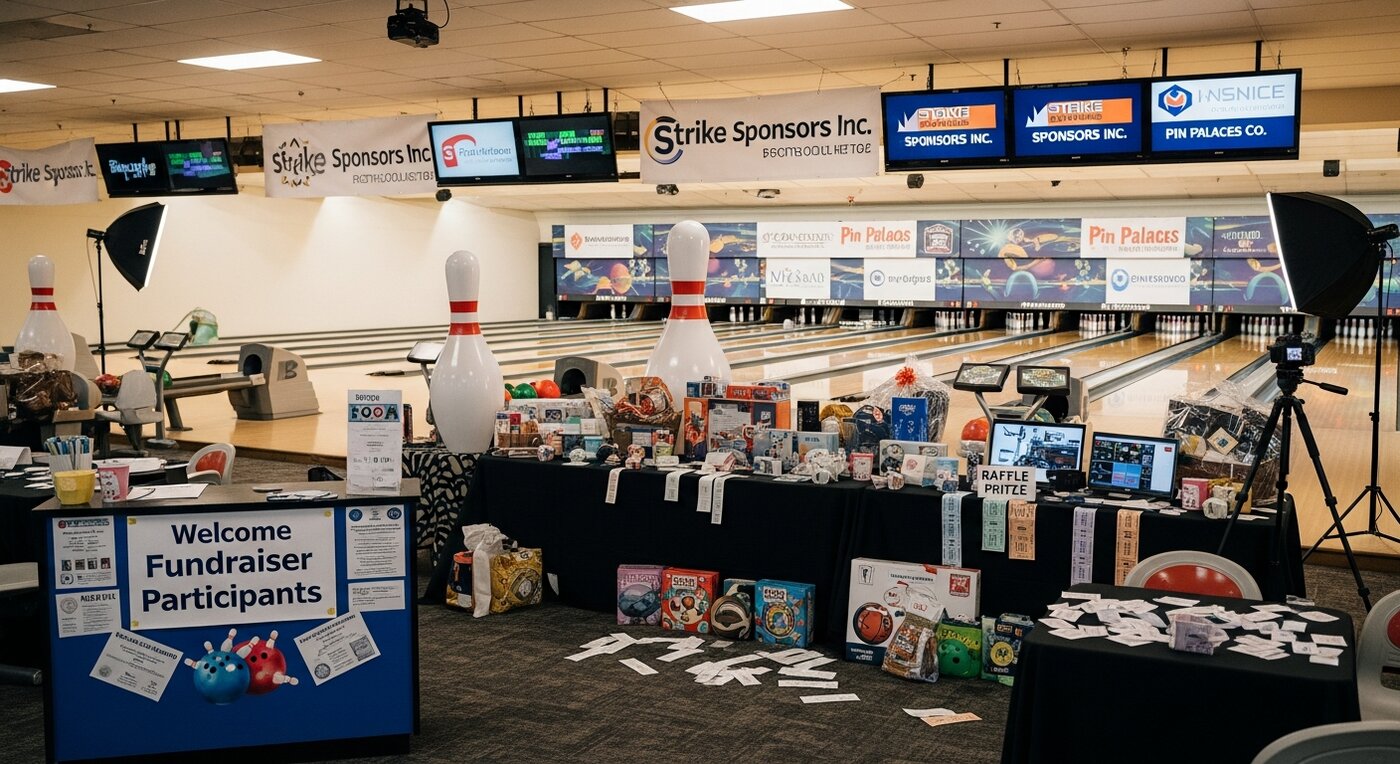
A clear timeline turns an idea into a smooth, repeatable event by assigning tasks, deadlines, and owners. Start with goals and a simple budget, then move to booking the venue, reaching out to sponsors, recruiting volunteers, promoting the event, and handling day-of logistics.
Begin by setting a fundraising target and a baseline budget listing lane costs, shoe rentals, staff, prizes, printing, and a contingency. Book the alley early — 8-12 weeks before popular dates.
Event Format Comparison
| Event Format | Typical Revenue Streams | Ideal Audience/Group Size |
|---|---|---|
| Bowl-a-thon | Pledges per frame, online peer-to-peer | Large schools, 100+ participants |
| Themed Night | Ticket sales, costume contests, concessions | Families and teens, 50-200 participants |
| Family Bowling Night | Per-person tickets, concessions, raffle | Elementary/middle families, 50-150 |
| Tournament | Entry fees, lane sponsorships, VIP packages | Competitive groups, 30-100 participants |
This side-by-side view helps teams pick the format that best supports revenue goals and audience size.
Planning Timeline Checklist
A timeline with clear task owners moves the event from idea to execution without costly surprises; using a repeatable checklist makes future events faster and more successful.
8-12 weeks out: Set goals, draft budget, reserve venue, form committees.
6-8 weeks out: Create sponsorship packets, begin outreach, open registration.
3-4 weeks out: Confirm volunteers, finalize prizes, increase promotion.
1 week out: Print materials, rehearse check-in, confirm vendor arrivals.
Day of: Execute run sheet, manage volunteers, capture photos for follow-up.
Sponsorship Tier Examples
| Tier | Typical Offerings | Price Range |
|---|---|---|
| Bronze | Logo in program, social media mention | $100-$250 |
| Silver | Lane sponsorship, program logo, onsite shout-out | $250-$500 |
| Gold | Named lane(s), banner space, VIP tickets | $500-$1,000 |
Clear sponsorship tiers and defined volunteer roles turn outreach and staffing into predictable results that boost net revenue.
What Volunteer Roles and Team Structures Work Best?
Outline core volunteer roles and use shift rotations to prevent burnout. Provide short role descriptions and a one-page cheat sheet so volunteers can step in quickly; include escalation steps for common issues like no-shows or lane mix-ups.
Registration Lead
Manages check-in and ticket verification
Lane Captains
Coordinates lane assignments and scoring
Concessions Manager
Oversees food and beverage sales
Raffle Coordinator
Handles raffle ticket sales and drawings
Float/Problem-Solver
Addresses issues like no-shows or lane mix-ups
Keep a small leadership team (event director, operations lead, sponsorship lead, volunteer coordinator) to make fast decisions and communicate changes clearly across the group.
Frequently Asked Questions
What are the best bowling fundraiser ideas for schools and charities?
Common options include bowl-a-thons, themed nights, family nights, and bracket-style tournaments — each one suits different audiences and objectives. The right choice depends on whether the goal is wide participation, higher revenue per guest, corporate sponsors, or an event that becomes a community staple.
Which bowling themes and formats engage participants most?
Winning themes blend novelty with simple participation: glow or cosmic bowling pulls families and teens, decades or costume nights boost ticket sales because people love dressing up, and bowl-a-thons drive peer-to-peer pledges for broad community support.
How to incorporate prizes and incentives to boost participation?
Mix sponsor-donated items, class rewards, and raffle prizes: instant-win items for best costume, trophies for top-scoring teams, and larger donated goods for raffles. Set clear rules and link incentives to measurable goals — for example, a pizza party if a class raises $1,000.
How to choose the right venue and date for a bowling fundraiser?
Check capacity, lane rental pricing, available time slots, food service, and rules on decorations. Avoid school calendar conflicts and big community events by polling parents and checking local calendars before locking a date. Negotiate lane rates based on volume and weekday vs. weekend timing.
How to maximize donations and sponsorships at bowling events?
Offer three-tier sponsorships with clear benefits: basic logo placement at entry level, lane naming for mid-tier supporters, and VIP packages for top sponsors. Encourage peer-to-peer fundraising with email templates and pledge tracking so families can raise beyond ticket sales.
What creative fundraising activities complement bowling fundraisers?
Add high-margin extras like silent auctions, photo booths, 50/50 raffles, and themed concessions to raise per-person revenue without a lot of extra staff. Offer skill-based side games like a paid strike-a-thon to create competitive income streams.
Ready to Host a Bowling Fundraiser?
Bowling fundraisers offer simple logistics, broad family appeal, and multiple ways to raise money — ticket sales, sponsorships, and concessions. Beyond money, these events boost parent engagement, create student leadership opportunities, and provide an inclusive activity where different grade levels and community members can mix.