Field hockey fundraisers bring parents, alumni and local supporters together to cover equipment, uniforms, travel and tournament costs. Teams often hit shortfalls at season start or when unexpected travel pops up; targeted fundraising closes those gaps while building community support and lifting program visibility.
What Are the Best Field Hockey Fundraising Ideas to Boost Team Support?
The best fundraisers line up with the team's capacity, season schedule and top expenses. Effective methods turn volunteer time into dependable revenue while raising program visibility.
Product Pre-Sales (Custom Gear and Spirit Wear)
Steady margins and program visibility.
Events (Tournaments, Clinics)
Community engagement plus ticket revenue.
Cashback/Shopping Fundraisers
Passive, recurring income from everyday purchases.
Local Sponsorship Packages
Larger sums from businesses in exchange for exposure.
Seasonal Consumables (Cookie Dough, Coffee)
Strong margins and straightforward fulfillment.
A good mix is one high-effort, high-return campaign plus a low-effort recurring method to balance cash flow and sustainability.
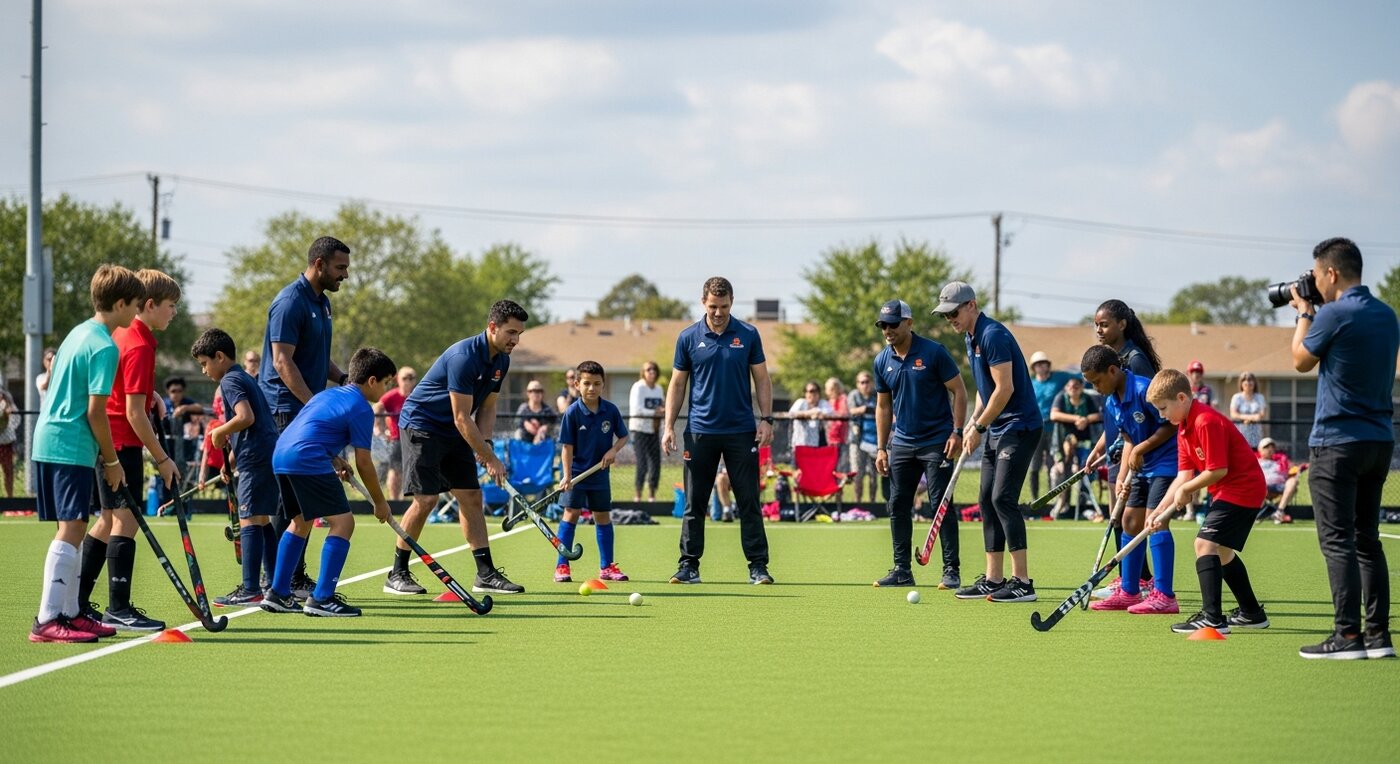
Which Online Fundraising Campaigns Work Best for Field Hockey Teams?
Online campaigns include team donation portals and short social drives that tap parent and alumni networks. They succeed because they magnify personal stories—team goals, travel needs, equipment priorities—while making it easy to give on mobile and share.
Key benefits: fast reach, low upfront cost and visible progress tracking. To improve conversion, write a tight campaign story, list line-item goals, and post regular updates.
Pick a specific dollar goal and build a campaign page with visuals.
Recruit parent ambassadors to share and schedule short update posts.
Frame donation levels around tangible outcomes (e.g., "$50 = sticks for one player").
What Product Sales Generate High Revenue for Field Hockey Fundraisers?
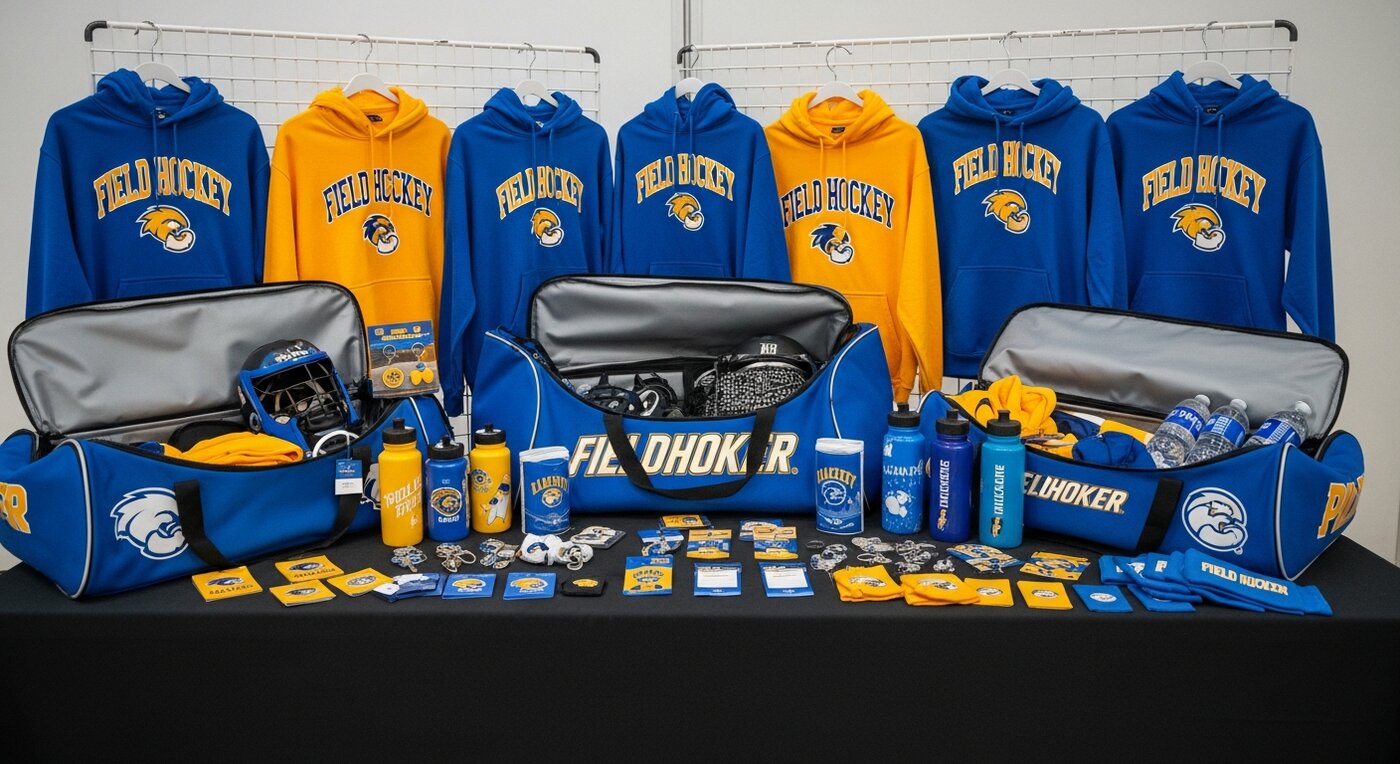
Popular product fundraisers include custom spirit wear, branded equipment bags and consumables like cookie dough or coffee. They perform best when pricing, margins and fulfillment are tightly managed.
The usual model is pre-sale: collect orders, place a bulk order and distribute at once to cut shipping and handling costs.
Run sample sizing events to limit returns.
Set clear delivery timelines and use ready-made email and social templates.
Bundles (jersey + water bottle) raise average order value.
Product Fundraiser Comparison
| Fundraiser Type | Margin | Volunteer Hours | Seasonal Fit |
|---|---|---|---|
| Custom Apparel | 35-60% | 10-20 hours (ordering & distribution) | Year-round, peak pre-season |
| Consumables (cookie dough/coffee) | 30-50% | 15-25 hours (sales & pickup) | Fall/winter fund drives |
| Custom Gear/Accessories | 25-45% | 8-16 hours (order management) | Pre-season and holidays |
How Can Teams Plan and Execute Successful Campaigns?
Successful planning turns budget gaps into clear revenue goals, aligns deadlines with season milestones, and assigns roles for coordination, finance and publicity.
Define the funding target and prioritize expense items.
Pick 1-2 fundraiser types that match the timeline and volunteer bandwidth.
Build a timeline with milestones and a communications schedule.
Assign roles for finance, outreach, fulfillment and reporting.
Use SMART goals—specific, measurable, achievable, relevant and time-bound—tied to line-item expenses.
What Roles Do Parents and Teachers Play?
Parents and teachers are the operational core. Simple governance—clear sign-up sheets, a designated treasurer and basic receipts—keeps things organized.
Volunteer Leads
Coordinate teams and manage scheduling
Communications Coordinators
Handle emails, social media and newsletters
Treasurers
Track payments and manage campaign finances
Fulfillment Crews
Handle order distribution and pickup logistics
To keep volunteers engaged, rotate roles each season and recognize contributors with public thanks or small tokens.
What Are the Common Expenses for Field Hockey Teams?
Common line items include sticks and protective gear, uniforms, goals and equipment, travel and lodging, tournament fees and occasional facility rental. Map fundraising streams to these categories by frequency and priority.
Typical Team Expenses
| Expense | Typical Cost | Frequency | Priority |
|---|---|---|---|
| Sticks and protective gear (per player) | $60-$200 | Annual or as-needed | High |
| Uniforms and numbered kits (team) | $30-$120 per player | Seasonal | High |
| Travel & lodging (per tournament) | $500-$5,000 | Per event | Medium-High |
With that breakdown, teams can set specific targets—such as $3,000 for a regional trip—and choose campaigns to match. Prioritize time-sensitive, high-impact expenses first.
Which Are the Best Field Hockey Fundraising Platforms?
Platforms fall into donation sites, cashback/earn-as-you-shop services and product webstores. Choose based on fees, setup time, reach and who handles fulfillment.
Platform Comparison
| Platform Type | Fees | Setup Time | Best Use Case |
|---|---|---|---|
| Cashback Programs | Minimal/no fees | 30-60 minutes | Recurring passive revenue |
| Product Webstore Suppliers | Variable (production cost) | 1-2 weeks | Spirit wear and bulk orders |
Combining both—product campaigns for seasonal spikes and cashback for ongoing revenue—gives teams a more stable funding mix throughout the year.
Frequently Asked Questions
What are the best field hockey fundraising ideas to boost team support?
The best fundraisers line up with the team's capacity, season schedule and top expenses. Effective methods turn volunteer time into dependable revenue while raising program visibility. Match a fundraiser's margin and volunteer effort to the immediate priority—gear, travel or uniforms.
Which online fundraising campaigns work best for field hockey teams?
Online campaigns include team donation portals and short social drives that tap parent and alumni networks. They succeed because they magnify personal stories—team goals, travel needs, equipment priorities—while making it easy to give on mobile and share.
What product sales generate high revenue for field hockey fundraisers?
Popular product fundraisers include custom spirit wear, branded equipment bags and consumables like cookie dough or coffee. They perform best when pricing, margins and fulfillment are tightly managed. The usual model is pre-sale: collect orders, place a bulk order and distribute at once.
How to set fundraising goals and timelines for field hockey teams?
Use SMART goals—specific, measurable, achievable, relevant and time-bound—tied to line-item expenses. Turn each expense into a funding target by estimating costs, deciding whether funding is per-player or centralized, and adding a buffer for shipping or unexpected fees.
What are the common expenses for field hockey teams?
Common line items include sticks and protective gear, uniforms, goals and equipment, travel and lodging, tournament fees and occasional facility rental. Map fundraising streams to these categories by frequency and priority, then select fundraisers that match the timing of those costs.
Which are the best field hockey fundraising platforms?
Platforms fall into donation sites, cashback/earn-as-you-shop services and product webstores. Choose based on fees, setup time, reach and who handles fulfillment. Testing one platform with a small campaign to measure real-world conversion before scaling is recommended.
Ready to Start a Field Hockey Fundraiser?
With clear goals, the right platforms, and engaged volunteers, the field hockey team can cover equipment, uniforms, travel and tournament costs. Match the fundraiser's margin and effort to immediate priorities and build community support that lasts beyond the season.