Rowing fundraisers are focused campaigns and events designed to cover the operating and capital costs crew teams face—boats, oars, ergs, travel, and coaching. Because rowing carries higher equipment and travel expenses than many sports, the most effective plans combine high-yield events, steady digital income streams, and targeted sponsor or grant work.
What Are the Best Rowing Team Fundraising Ideas?
The best ideas balance revenue potential, startup cost, volunteer time, and fit for equipment-heavy programs. Use this comparison to align the fundraiser choice with specific needs.
Event (Ergathon, Pancake Breakfast)
High volunteer hours, strong local visibility. Large single-event revenue; boosts community support.
Product (Coffee, Spirit Wear, Raffle)
Requires order and fulfillment management. Reliable recurring revenue; solid margins with pre-sales.
Digital/No-Sell (Gift Cards, Cash-Back)
Low day-of effort; ongoing fundraising. Steady passive revenue; scales with outreach.
Ergathons stand out for rowing because they highlight the sport, give sponsors visible activation, and turn athlete effort into measurable pledges.
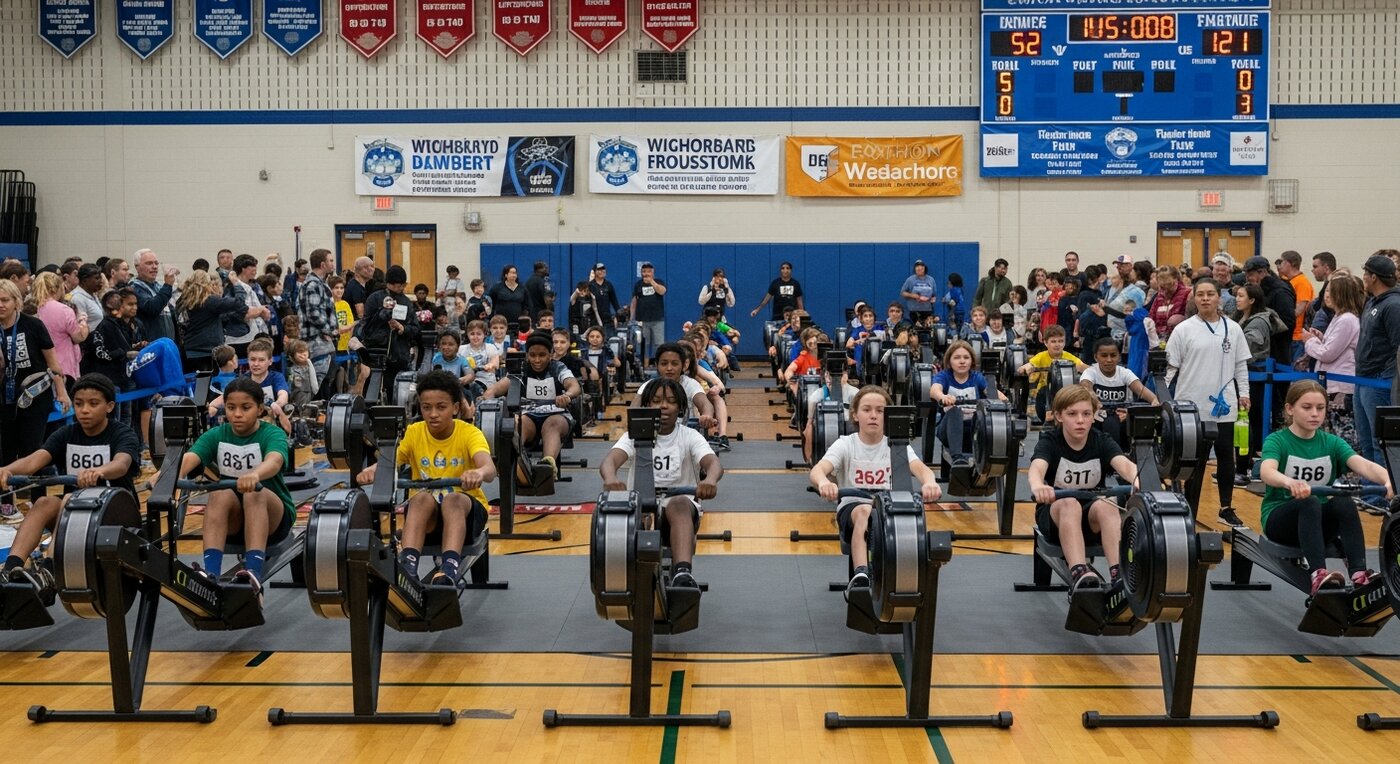
How Does an Ergathon Fundraiser Work?
An Ergathon pairs visible athletic effort with pledges: rowers collect donations tied to meters rowed, time on the erg, or a flat donation per athlete. Donors see progress on a central scoreboard, which builds excitement and improves sponsor ROI.
Typical logistics include borrowing or renting ergometers, scheduling staggered heats, tracking meters on a central board, and assigning volunteers for registration, timing and safety.
Offer tiered sponsor visibility packages.
Use central scoreboard for live progress tracking.
Schedule staggered heats to manage participant flow.
Ergathon Resource Checklist
Use this breakdown as a short checklist to estimate capacity and projected income for a successful Ergathon.
Ergathon Resources
| Resource | Attribute | Typical Value |
|---|---|---|
| Ergometer | Number required | 4-12 machines depending on team size |
| Volunteers | Roles needed | Registration, timers, safety, fulfillment (4-8 people) |
| Sponsorship rates | Local business tiers | $200-$1,000 depending on visibility offered |
How to Plan Successful Event-Based Fundraisers
Successful event fundraisers start with a clear goal, an organized timeline, and defined volunteer roles. Use an 8-week timeline for best results.
Set Goals & Budget
Define the target, expenses, and sponsor tiers early (8 weeks out).
Recruit Volunteers & Equipment
Assign roles and secure ergometer access (weeks 5-3).
Promote & Finalize
Use school newsletters, social media, and local press to drive turnout (weeks 2-1).
What Product-Based Fundraisers Are Popular?
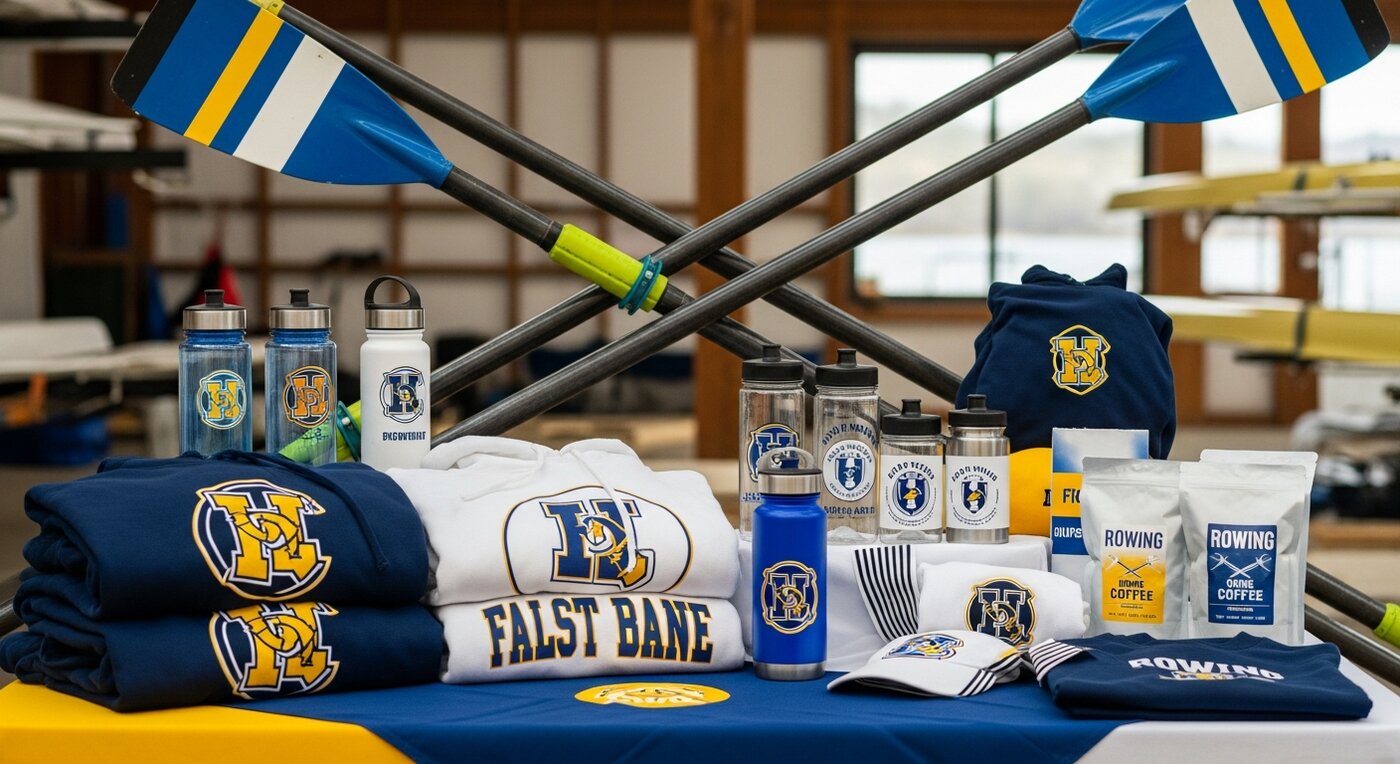
Popular product fundraisers for crew include coffee sales, spirit wear, branded apparel, and pre-ordered food items. Supporters buy things they'll use, and teams keep a margin—often 20-40% on pre-sale or catalog models—without heavy event staffing.
Match products to the community: seasonal coffees in the fall, hoodies before regatta season, and gift bundles for the holidays usually sell well to parents and alumni.
Pre-sales limit unsold inventory and financial risk.
Lock timelines and volunteer shifts for prompt fulfillment.
Coffee, hoodies, and gift bundles sell well to parents.
How Can Rowing Teams Secure Grants and Sponsorships?
Winning grants and sponsorships starts with aligning funders' priorities to the project and presenting a clear budget and impact story.
Funding Paths Comparison
| Funding Path | Typical Eligibility | Typical Award |
|---|---|---|
| Grant | Nonprofit or school-affiliated programs | $1,000-$50,000 (varies; reporting required) |
| Corporate Sponsorship | Local businesses seeking exposure | $250-$5,000 plus in-kind support |
| Hybrid (Grant + Sponsor) | Combined proposals with match | Greater totals with matching |
What Digital and Online Fundraising Options Work Best?
Digital options—gift card programs, cash-back portals—offer scalable, trackable ways to fund equipment and travel. Combine these strategies to widen reach and reduce volunteer load.
Gift Card Fundraising
Recurring income from cards supporters already buy. Supporters buy cards for groceries, restaurants, and retailers while the team receives a percentage of each purchase.
Cash-Back Portals
Passive revenue from everyday shopping when supporters register the team. Small, steady contributions tied to everyday shopping with minimal volunteer effort.
Best practices include clear goals, persuasive storytelling that ties funds to tangible outcomes, strong visuals, regular progress updates, and integration with the team's accounting.
Frequently Asked Questions
What are the best rowing team fundraising ideas?
The best ideas balance revenue potential, startup cost, volunteer time, and fit for equipment-heavy programs. Event fundraisers like Ergathons drive strong community engagement. Product fundraisers give predictable margins. Digital or no-sell approaches provide steady passive revenue.
How does an Ergathon fundraiser work for rowing teams?
An Ergathon pairs visible athletic effort with pledges: rowers collect donations tied to meters rowed, time on the erg, or a flat donation per athlete. Donors see progress on a central scoreboard, which builds excitement and improves sponsor ROI.
What product-based fundraisers are popular for rowing teams?
Popular product fundraisers include coffee sales, spirit wear, branded apparel, and pre-ordered food items. Supporters buy things they'll use, and teams keep a margin—often 20-40% on pre-sale models—without heavy event staffing.
How do no-sell fundraising methods benefit rowing teams?
No-sell methods—gift card programs, cash-back portals, and donation drives—raise money without door-to-door selling. They reduce volunteer labor, provide year-round income, and appeal to supporters who prefer direct giving.
How does gift card fundraising work for rowing teams?
Gift card fundraising lets supporters buy cards for groceries, restaurants, and retailers while the team receives a percentage of each purchase. Typical setup involves registering with a program and promoting an online storefront.
How can rowing teams secure grants and sponsorships?
Winning grants and sponsorships starts with aligning funders' priorities to the project and presenting a clear budget and impact story. Prepare a short sponsorship deck that includes team story, impact stats, and clear sponsor benefits.