K-12 school and community soccer teams often face gaps in budgets for uniforms, equipment, and travel. This guide lays out straightforward, high-impact fundraising options teams can use right away. Content is organized by age group and effort level, explains why each approach works, and includes clear steps and ready-to-use templates for volunteer organizers.
What Are the Best Soccer Team Fundraising Ideas?
Successful fundraisers tap local supporters, use player and parent networks, or sell items families already buy. The list below ranks ideas by effort versus return and notes which age groups usually respond best.
Tournament Fundraisers
Run paid-entry tournaments with concessions and sponsors to raise substantial funds.
Merchandise Sales (Jerseys, Scarves)
Use pre-order campaigns for custom gear to lock in revenue.
Concession Stand Fundraising
Staff stands at games and events for steady margins and strong community engagement.
Donation Pages
Fast to launch and far-reaching; best when combined with social promotion.
Cookie Dough or Food Product Sales
Good per-item margins and predictable ordering cycles.
Discount Card or Coupon Book Sales
Low logistics, recurring value for buyers, and consistent funds raised per sale.
These ideas form a flexible menu teams can mix based on timing and capacity. Use a primary tactic and a few complementary activities.
How Can Teams Organize Successful Fundraising Events?
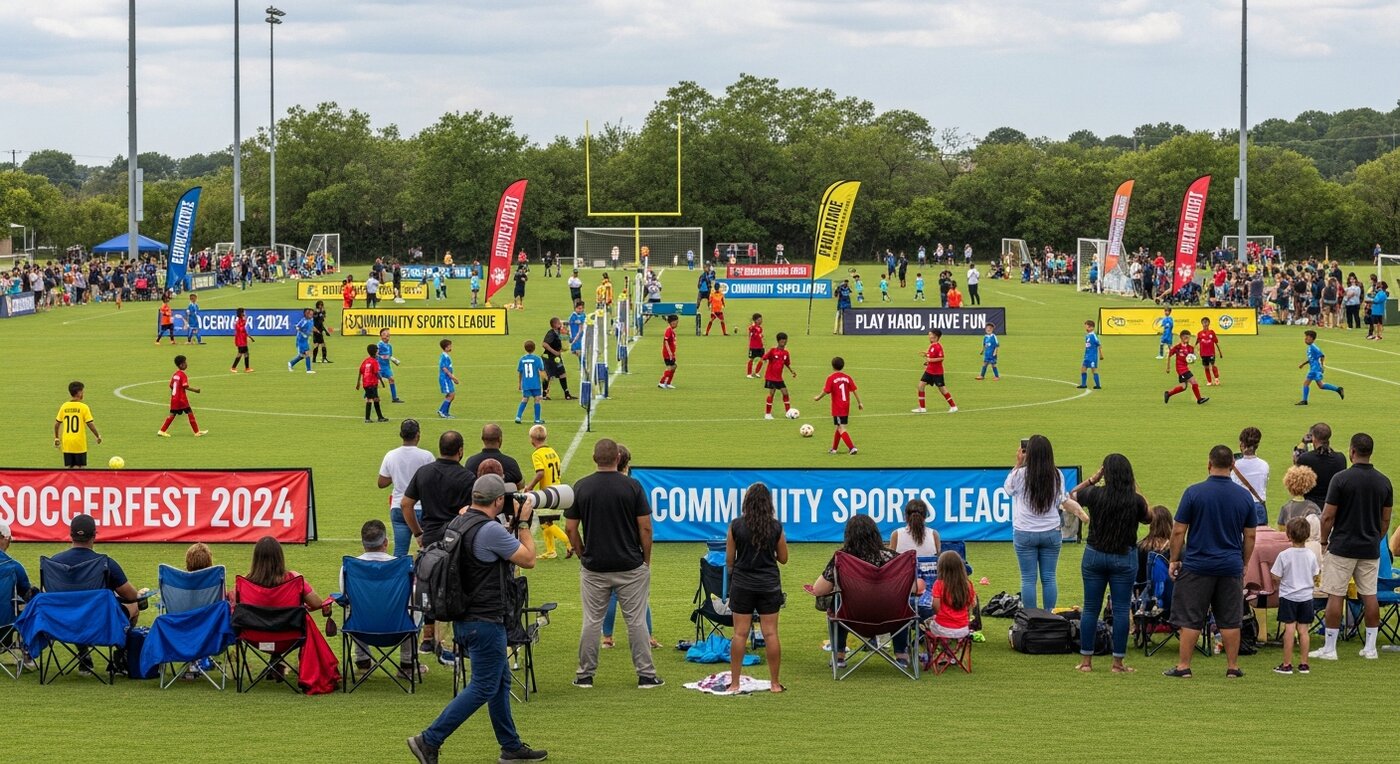
Successful events start with a clear timeline, defined volunteer roles, accurate budgeting, and effective promotion—each element lowers risk and raises revenue.
Begin with a pre-event planning phase to set objectives, secure permits, estimate costs, and recruit volunteers; then map event-day staffing, setup and teardown tasks, and post-event accounting and donor thank-yous.
Pick a date that maximizes foot traffic or lines up with games.
Secure supplies, assign volunteer shifts, and set pricing.
Promote through school newsletters and parent groups.
Event Planning Comparison
Use this comparison to match event choice to the team's capacity and revenue goals.
Event Type Comparison
| Event Type | Planning Time | Volunteers | Expected Funds Raised |
|---|---|---|---|
| Car Wash | 1-2 weeks | 6-10 volunteers | $300-$1,200 |
| Tournament | 8-12 weeks | 20-40 volunteers | $2,000-$10,000+ |
| Bake Sale | 2-3 weeks | 6-12 volunteers | $200-$800 |
| Concession Stand (season) | 2-4 weeks setup | 6-20 per game | $500-$3,000 season |
Which Fundraising Products Are Best for Soccer Teams?
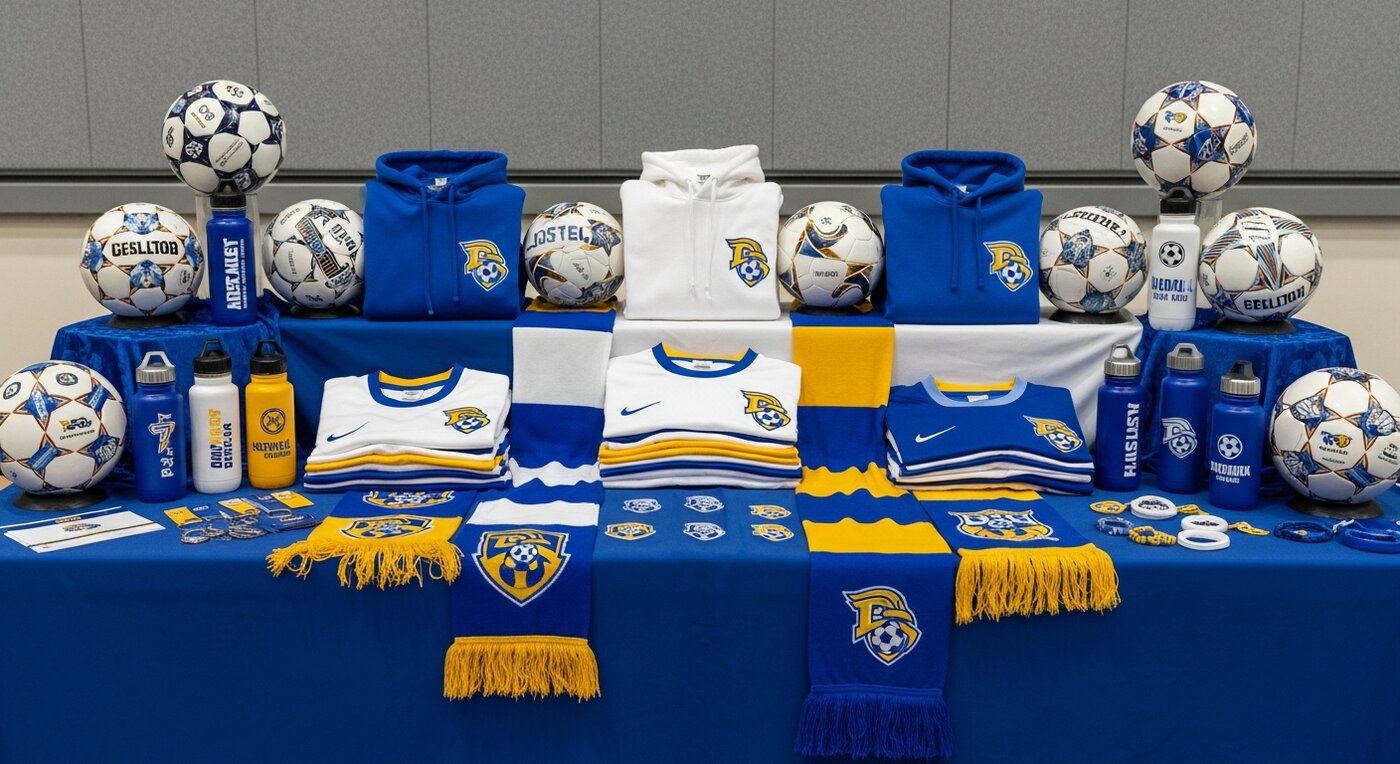
Choose products by margin, lead time, effort, and how well they fit the team's age group. Custom apparel and discount cards attract families and alumni; consumables like cookie dough have healthy margins but require coordinated distribution.
Pre-order campaigns protect margins by preventing overstock.
Keep designs simple—team colors, clean logo, visible items like scarves.
Combine pre-orders with online payment and scheduled pickup.
Product Fundraiser Comparison
| Product | Margin | Effort / Lead Time | Best Age Group |
|---|---|---|---|
| Custom Jerseys/Scarves | 40-60% | 3-6 weeks production | All ages (especially middle/high school) |
| Cookie Dough | 35-50% | 2-3 weeks delivery | All ages (family-friendly) |
| Discount Cards | 50-70% | 1-2 weeks printing | Elementary to high school |
| Sneaker Drive | Variable (cash for volume) | 1-2 weeks collection | Elementary & middle school |
What Are the Most Effective Online Fundraising Methods?
Online fundraising widens reach, speeds payments, and gives clear donor tracking—essential tools for modern campaigns. Successful efforts pair a focused donation page with strong visuals, a clear financial goal, and shareable social content.
Platform Comparison
| Platform | Fees | Setup |
|---|---|---|
| Dedicated Team Pages | 0-5% plus payment processing | Under 1 hour |
| Direct Donation Pages | Payment processor fees only | Under 1 hour |
| Social-Drive Campaigns | Varies by ad spend | Requires social assets |
Social Media Tips for More Supporters
Social media amplifies player stories through parent and alumni networks. Use concise captions, clear calls to action, and local hashtags. Ask parents and coaches to share posts to multiply reach organically.
Build a short two-week social calendar with varied content.
Kickoff announcement with team photos.
Mid-campaign progress update.
Brief player testimonial clips.
Final-day urgency post highlighting the goal meter.
How Can Soccer Teams Secure Sponsorships?
Sponsorships connect local businesses' need for visibility with teams' need for steady funding. Offer tiered packages with clear benefits—banner placement, program ads, or jersey mentions—backed by audience metrics like home-game attendance and newsletter reach.
Identify Prospects
Start by listing businesses whose customers match the team's audience. Prepare a short proposal outlining sponsorship tiers and visibility options.
Personalized Outreach
Make a clear ask, offer suggested benefit packages, and include sample materials showing sponsor recognition. Follow up with personalized emails or visits.
Recognition & Renewal
Recognize sponsors across channels—game-day signage, newsletters, social posts. Strong stewardship converts short-term gifts into reliable support.
Frequently Asked Questions
What are the best soccer team fundraising ideas for youth and school programs?
Successful fundraisers tap local supporters, use player and parent networks, or sell items families already buy. Tournament fundraisers, merchandise sales, concession stands, donation pages, cookie dough sales, and discount card sales all rank high for effort versus return.
Which easy soccer fundraisers deliver high returns and community engagement?
Simple fundraisers work best when they fit existing events or local routines, minimize planning friction, and invite lots of people to take part. Examples include concession stands at regular games, vendor nights where a local business gives a percentage back, and bake sales at school events.
How do kick-a-thon and tournament fundraisers work for soccer teams?
Kick-a-thons turn on-field activity into donor actions: players collect per-kick or flat pledges. Tournament fundraisers earn from entry fees, concessions, sponsorships, and add-ons like silent auctions. Most kick-a-thon campaigns run 4-8 weeks.
What are the most effective online soccer fundraising methods?
Online fundraising widens reach, speeds payments, and gives clear donor tracking. Successful efforts pair a focused donation page with strong visuals, a clear financial goal, and shareable social content to drive referrals and repeat small-dollar gifts.
Which fundraising products are best for soccer teams to sell?
Choose products by margin, lead time, effort, and how well they fit the team's age group. Custom apparel and discount cards attract families and alumni; consumables like cookie dough have healthy margins but require coordinated distribution.
How can soccer teams secure sponsorships to support their fundraising goals?
Sponsorships connect local businesses' need for visibility with teams' need for steady funding. Offer tiered packages with clear benefits—banner placement, program ads, or jersey mentions—backed by audience metrics like home-game attendance and newsletter reach.