Many teams struggle to pay for tournaments, court repairs, and outreach; well-run fundraisers convert supporters into steady revenue and local partners. Read on for top event, product, and online fundraising ideas, a simple planning checklist, sponsor strategies, digital campaign tips, common uses for funds, and the legal checks schools should follow.
What Are the Best Tennis Fundraising Ideas for Schools and Youth Organizations?
Most tennis fundraising falls into three practical buckets: event-driven activities that bring in ticket and concession income, product sales that capture team pride, and online campaigns that reach donors beyond the neighborhood. The right mix depends on budget, volunteer capacity, and timeline. Below are the top, actionable ideas to start with.
Tennis tournament fundraiser
Run a bracketed community event with ticket sales and concessions.
Tennis clinic fundraiser
Charge per player for skills sessions run by coaches or guest pros.
Tennis-a-thon
Players collect pledges by points, games, or minutes in a marathon session.
Team merchandise sales
Offer branded shirts, hats, grips and other fan items.
Online raffle
Sell digital tickets for donated prizes (check local rules first).
These choices cover hands-on events and lower-overhead online options — and they work well together. For example, a tournament plus a merchandise booth increases per-visitor revenue.
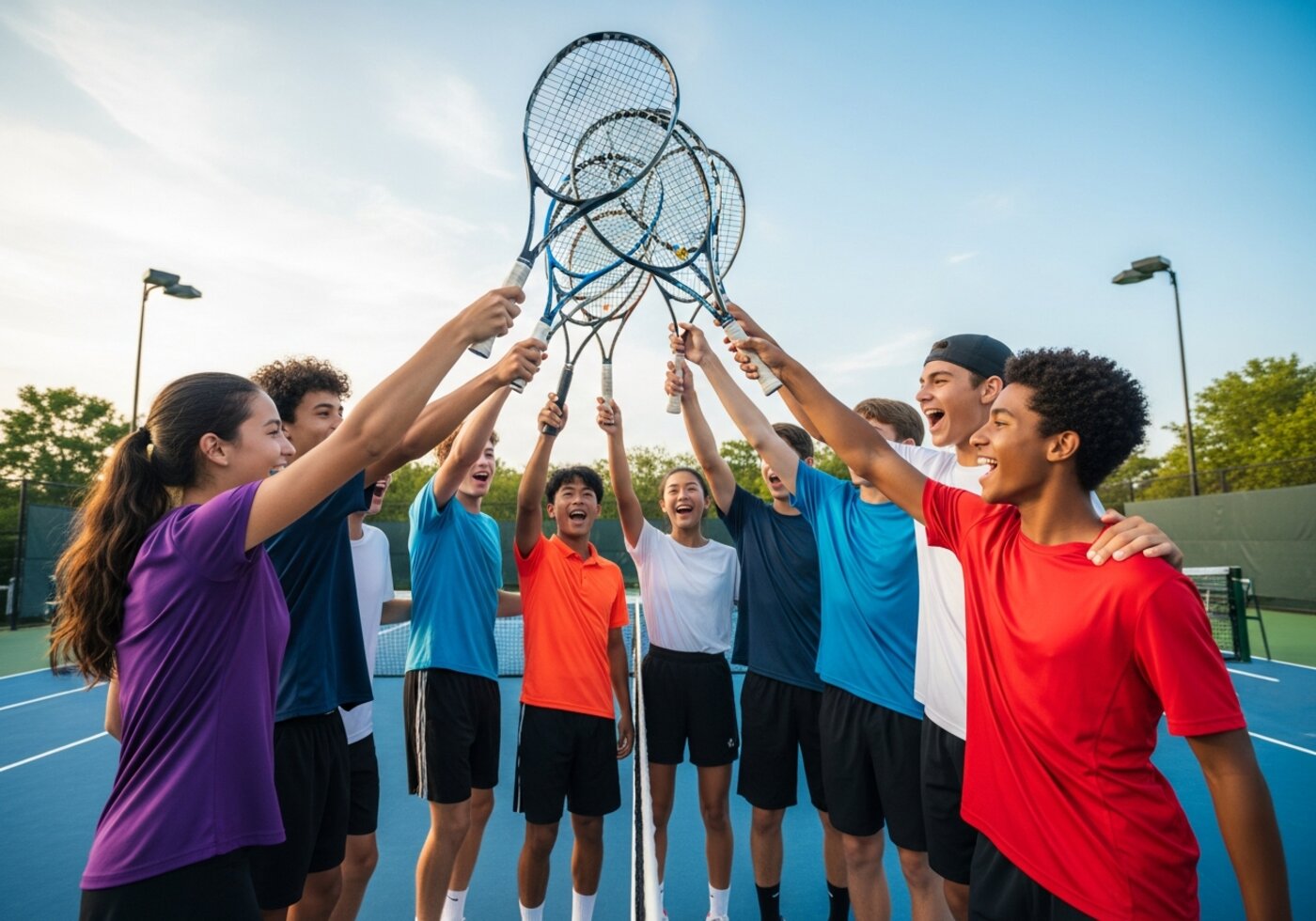
Which Event-Based Fundraisers Work Best for Tennis Teams?
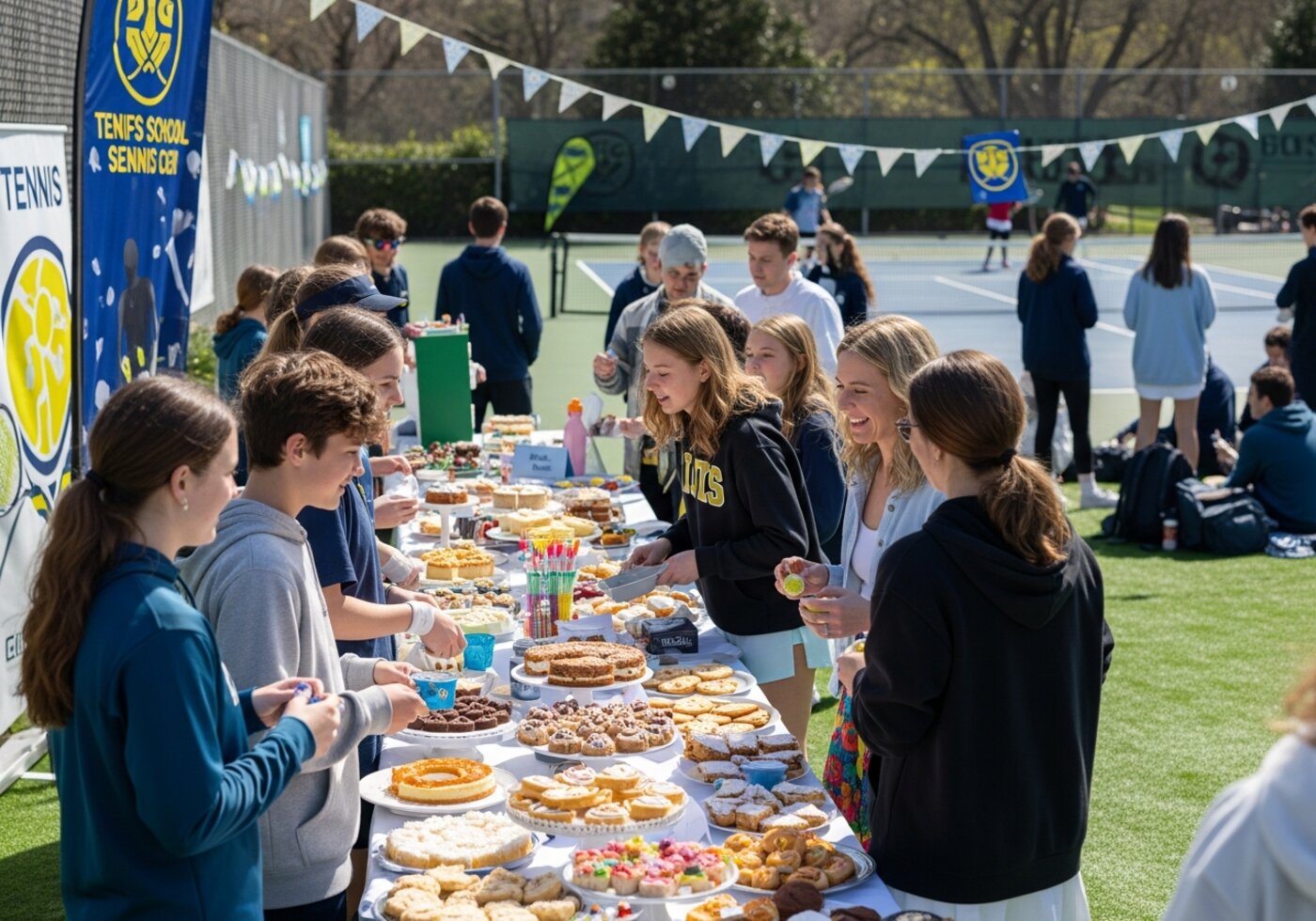
Event-based fundraisers bring in money through participant fees, spectator tickets, concessions, and sponsor support — ideal when the team can mobilize volunteers and secure courts. Tournaments and exhibition matches scale well because they draw players, families, and local press. Clinics and tennis-a-thons broaden participation and lower barriers to entry.
Promote events through school channels, social posts, and sponsor cross-promotion to boost attendance and sponsorship value. Logistical priorities include scheduling, permits, volunteer roles, and simple registration tools; clear duties reduce day-of confusion and help families spend more at concessions and merch tables.
What Product-Based Fundraising Options Are Ideal for Tennis Clubs?
Product fundraisers turn team support into predictable margin by selling branded items or partner products. Common items include custom shirts and hoodies, caps, grip tape, and water bottles. Margins vary by supplier and order size; pre-orders reduce inventory risk.
Match price points to the audience: inexpensive items for students and premium options for parents or alumni. Promote sales at matches, parent meetings, and online. Sponsor-branded merchandise can boost perceived value and create naming opportunities for local partners.
Fundraising Method Comparison
| Fundraising Method | Volunteer Needs | Typical Revenue Potential |
|---|---|---|
| Tournament/Exhibition | High (registration, officials, concessions) | Medium-High |
| Clinic (paid instruction) | Medium (coaches, check-in) | Medium |
| Merchandise sales | Low-Medium (distribution, promotion) | Low-Medium (scales with audience) |
Use this comparison to pick methods that match the volunteer pool and revenue goals. Tournaments often bring higher gross income but need more hands on deck; merchandise offers scalable returns with lower event risk.
How to Plan and Organize a Successful Tennis Fundraiser
Success starts with a clear financial goal, a realistic budget, assigned roles with deadlines, and a promotion plan that tracks outreach-to-donation conversions. Define a SMART goal — specific amount, measurable timeline, assigned owners, realistic assumptions about attendance, and a deadline — then work backward to set ticket prices, sponsorship targets, and product margins.
Set the fundraising goal and list how the money will be used — donors want to know why funds are being raised.
Create a simple budget with required costs, expected revenue, and a contingency line.
Build a timeline with milestones for venue booking, sponsor outreach, promotion, and logistics.
Recruit volunteers and give clear day-of role descriptions and quick training.
Promote across school channels, social media, and community partners on a staggered schedule.
Sample Budget Template
| Budget Line | Est. Cost | Notes |
|---|---|---|
| Court Rental | $0-$500 | Ask the district or parks department for discounts; in-kind court use cuts costs |
| Officials/Coaches | $0-$300 | Use volunteer coaches or offer small stipends for guest pros |
| Marketing & Promotion | $50-$250 | Leverage social posts and school newsletters to limit paid spend |
| Merchandise Production | $100-$700 | Pre-orders reduce inventory risk; consider print-on-demand |
| Concessions/Prizes | $50-$300 | Seek prize donations to keep costs low |
This starter budget highlights where sponsorships or in-kind donations can make the biggest difference.
How to Recruit and Manage Volunteers for Tennis Fundraising Events
Start with clarity: define each role, expected hours, required training, and a single point of contact to reduce friction. Typical roles include event coordinator, registration lead, scorekeepers, concessions manager, merchandise lead, and cleanup crew. Clear role outlines help volunteers commit and perform.
Recruit through PTA meetings, team parent networks, local clubs, and community service groups. Use simple sign-up sheets with shifts to avoid scheduling conflicts. Keep volunteers motivated with written thank-yous, a short post-event impact update, and small tokens of appreciation — these gestures encourage repeat help.
Before the event, provide quick briefings and printed checklists so volunteers feel prepared and valued. Efficient volunteer use lowers stress on event day and builds stronger community relationships that support future fundraisers.
How Can Tennis Teams Secure Sponsorships and Support?
Sponsorships bring reliable funding and community ties by trading visibility for financial or in-kind help. To win sponsors, target local businesses whose customers include families and athletes — sports shops, gyms, restaurants, and service providers.
Treat sponsor outreach like relationship-building: research, personalize, and follow up. Identify local businesses that serve families or sports fans, craft a concise benefit-led pitch, visit in person when possible, then send a short proposal. Offer monetary and in-kind levels to make it easy for businesses to say yes.
Keep sponsors engaged with short impact reports after events that show how funds were spent and who benefited. Clear reporting encourages repeat commitments and often leads to larger support over time.
Sponsorship Tier Examples
Logo on team uniforms and primary event banner
Logo on event materials and social media shout-outs
Listing in the program and on the sponsor board
Clear tiers make it easy for local businesses to pick an appropriate level. Make benefits measurable and deliverable to build trust.
What Online and Digital Fundraising Methods Work for Tennis Teams?
Digital fundraising reaches beyond local gate receipts and makes it easy for supporters to give on their phones or laptops. Use short videos of players and highlights to increase emotional engagement and boost conversions on social channels.
Online raffles can turn interest into revenue when local rules allow them; social campaigns — challenge videos, highlight reels, and player spotlights — increase shareability and engagement. For raffles, confirm state or district rules, secure donated prizes, and use a transparent drawing method.
Measure digital efforts with simple KPIs: donations by channel, conversion rate from post to donation, and cost per dollar raised for any paid ads. Use those numbers to repeat what works and shift resources away from what doesn't.
Frequently Asked Questions
What are the most effective ways to promote a tennis fundraiser?
Use multiple channels: share short, engaging social posts (player highlights, event details), send emails through school lists, and post flyers at community hubs. Partner with local businesses and ask sponsors to promote the event. Reach out to local media for coverage and post regular reminders in the weeks before the event.
How can teams ensure a successful turnout for their fundraising events?
Start promotion early and confirm a clear date and time. Offer incentives like early-bird tickets or raffle entries, and make the event family-friendly with activities for all ages. Use email, social media, and community boards to promote, and enlist local influencers or school leaders to spread the word.
What are some creative themes for tennis fundraising events?
Themes make events memorable and easier to market. Try "Tennis Under the Stars" with evening play and music, a "Retro Tennis" tournament with vintage outfits, or a "Family Fun Day" with games, food stalls, and mini-clinics. Themes give teams unique angles for promotion and sponsorship.
How can teams measure the success of their fundraising efforts?
Compare funds raised to the goal, track attendance, and collect participant feedback. Monitor social engagement and referral sources to see what drove donations. Use these metrics to improve future campaigns.
What role do alumni play in supporting tennis fundraisers?
Alumni often provide donations, sponsorships, or in-kind help and can widen the team's network. Reach them through newsletters, social groups, or alumni events. They can also mentor players or speak at events, adding value beyond financial support.
What are some common pitfalls to avoid when organizing a tennis fundraiser?
Avoid unclear goals and budgets, under-promoting the event, poorly defined volunteer roles, and ignoring legal requirements. Plan thoroughly, communicate roles clearly, and confirm necessary permits and insurance to prevent last-minute problems.
Conclusion
Thoughtful tennis fundraisers give the team the resources it needs — better equipment, travel opportunities, and stronger community ties. Mix events, product sales, digital campaigns, and sponsor outreach to build sustainable income and long-term support. Engage local businesses and alumni to amplify impact, and start planning now to unlock more opportunities for players and the program.