Volleyball fundraisers put simple, organized efforts behind the team's needs — travel, uniforms, equipment, tournament fees and more. Coaches, parents and PTA volunteers often run into the same challenges — planning, volunteer coordination and budgeting — and this guide tackles those issues with templates, timelines and practical steps.
Which Volleyball Team Fundraisers Work Best?
The most successful fundraisers fit the audience, timeline and financial target. These ideas mix events, product sales and digital tactics to spread risk and keep income steady through the season.
Volleyball Tournament Fundraiser
Brings in registration fees and concessions while involving several teams.
Serve-a-Thon (Pledge Drive)
Low cost and highly inclusive — a great way to involve every player and family.
Skills Clinic Fundraiser
Charges per attendee and showcases players and coaches as instructors.
Team Merchandise Pre-Orders
Collects demand before ordering, cutting inventory risk and improving margins.
Snack Stand at Games
Reliable, recurring revenue with a captive local audience and low startup cost.
Dine-and-Donate Night
Partner with a restaurant for easy fundraising with minimal volunteer time.
Each option supports different goals — travel, tournament costs or new gear — so pick a mix that balances effort and reward and taps both local supporters and online donors.
What Creative Fundraising Events Bring in Bigger Donations?
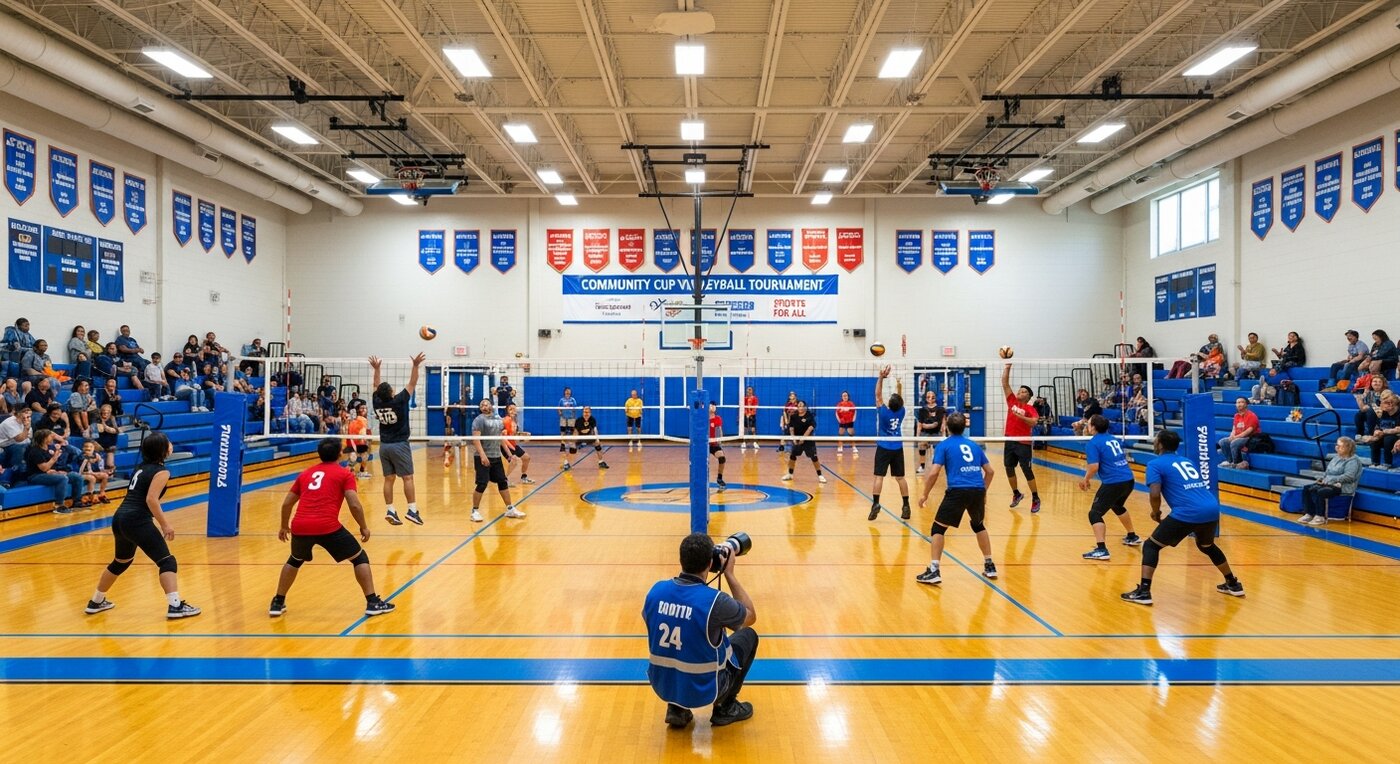
Creative, higher-yield events take more planning but return bigger revenue per event. Think themed tournaments (for example, "Glow Volleyball"), alumni scrimmages with a ticketed reception, VIP clinic packages, or auction nights paired with dinner.
Add merchandise, concessions, raffles and sponsor booths to multiply income. While these events need more volunteer hours, they usually generate larger net proceeds.
Plan 8-10 weeks ahead, lock venue and recruit sponsors.
Offer logo placement, social mentions and on-site signage.
Ticket prices range from low spectator fees to premium clinic bundles.
How to Plan and Run Successful Volleyball Fundraising Events
Good event planning starts with a clear goal, a realistic budget and a timeline — these three align expectations and set success metrics. Begin with a SMART goal, then break it into ticket targets, sponsor commitments and product-sales estimates.
Event Budget Comparison
| Event Type | Estimated Cost | Expected Revenue |
|---|---|---|
| Small Serve-a-Thon | $150 | $800 |
| School Skills Clinic | $300 | $1,200 |
| Weekend Tournament | $1,200 | $4,000 |
This comparison shows tournaments carry higher upfront costs but bigger upside, while serve-a-thons need minimal outlay and deliver steady participation.
Revenue Stream Breakdown
| Revenue Stream | Cost to Run | Projected Net |
|---|---|---|
| Registration Fees | $200 | $1,000 |
| Concessions | $100 | $600 |
| Merchandise | $150 | $400 |
Key Steps to Organize a Volleyball Tournament
Start by choosing a format (single-day bracket, round-robin, double-elimination), estimating team registration fees, and verifying venue availability and insurance needs.
8-12 weeks out
Secure location, set registration pricing, recruit teams, contact referees.
4 weeks before
Finalize concessions, raffle prizes, sponsor signage, confirm volunteer shifts.
Event week
Print schedules and waivers, site safety check, assign teams for scoring.
Which Product Sales Work Best?
Product fundraisers pair clear pricing with items supporters want. When picking products, check margin, lead time, and how likely the audience is to buy.
Product Comparison
| Product | Margin | Fulfillment |
|---|---|---|
| Custom Jerseys | 35% | 4-8 weeks |
| Spirit T-Shirts | 45% | 2-4 weeks |
| Discount Cards | 60% | 1-2 weeks |
Discount cards often deliver quick fulfillment and high margins, while custom jerseys take longer but can drive larger sales.
How to Design and Sell Custom Team Merchandise
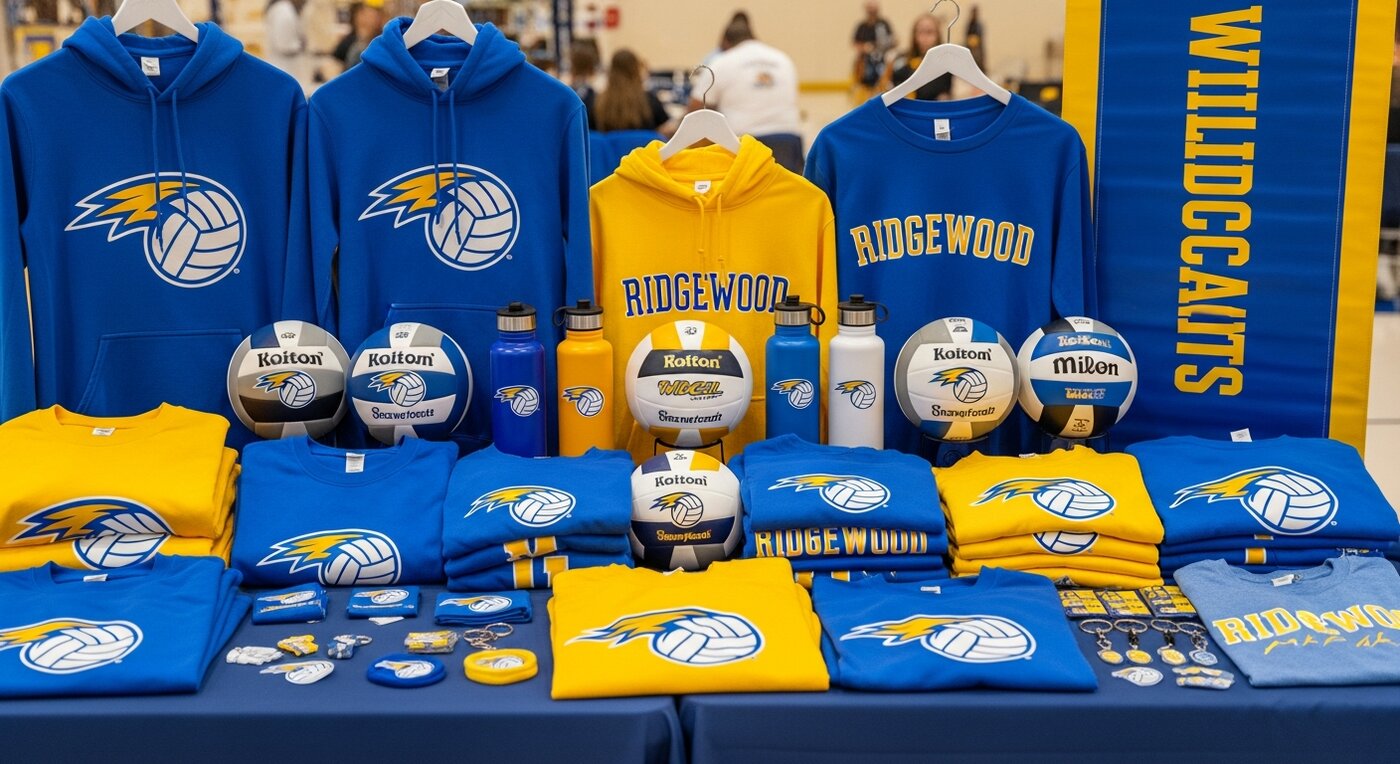
Start merchandise design with a clear visual concept — team colors, logo placement and size range — and a pricing plan that covers costs while meeting target margins. Decide between print-on-demand (no inventory but higher per-unit cost) and bulk ordering.
Run a pre-order campaign with a firm deadline to secure payment and guarantee fulfillment; this limits financial risk and helps teams order the right quantities.
Market merchandise with product photos and player testimonials.
Use limited-time pricing and on-site sales at matches.
Bundle items (shirt + ticket) to raise average contribution.
How Can Online and Digital Fundraising Help?
Online fundraising widens the team's reach, keeps marginal costs low and supports several campaign formats — such as peer-to-peer and online auctions. Digital channels work especially well for urgent needs and travel support.
Peer-to-Peer Campaigns
Each player or family can make a personal ask via individual pages and targets. Motivate fundraisers with leaderboards, milestone rewards and recognition.
Online Auctions
Source donated experiences, signed memorabilia and themed gift baskets. Use clear item descriptions and arrange shipping or pickup to avoid delays.
Social Sharing
Strong digital campaigns combine a clear story, a defined goal, donor tiers and shareable assets like photos and short videos players can post.
Frequently Asked Questions
Which volleyball team fundraisers work best?
The most successful fundraisers fit the audience, timeline and financial target. Top options include volleyball tournaments, serve-a-thons, skills clinics, merchandise pre-orders, snack stands, and dine-and-donate nights. Mix events, product sales and digital tactics to spread risk and keep income steady.
Which easy volleyball fundraisers drive the most participation?
Easy fundraisers minimize barriers so players, families and neighbors can join often. High-participation favorites include bake sales at games, spirit nights at nearby restaurants, car washes, seasonal product drives and serve-a-thons where players collect pledges per successful serve.
What creative fundraising events bring in bigger donations?
Creative, higher-yield events take more planning but return bigger revenue per event. Think themed tournaments (like 'Glow Volleyball'), alumni scrimmages with a ticketed reception, VIP clinic packages, or auction nights paired with dinner. Add merchandise, concessions, raffles and sponsor booths to multiply income.
How to plan and run successful volleyball fundraising events?
Good event planning starts with a clear goal, a realistic budget and a timeline. Begin with a SMART goal (specific, measurable, achievable, relevant, time-bound), then break it into ticket targets, sponsor commitments and product-sales estimates to build the budget.
Which product sales fundraisers work best for volleyball teams?
Popular choices include custom jerseys and spirit wear, snack-stand sales and discount-card programs. When picking products, check margin, lead time, minimum order quantities and how likely the audience is to buy. Discount cards often deliver quick fulfillment and high margins.
How can online and digital fundraising help volleyball teams?
Online fundraising widens the team's reach, keeps marginal costs low and supports several campaign formats like peer-to-peer and online auctions. Digital channels work especially well for urgent needs and travel support because they're easy to share and show social proof.